

Breadcrumb
AI Symposium Explores New Frontiers in Oral Health and Medicine
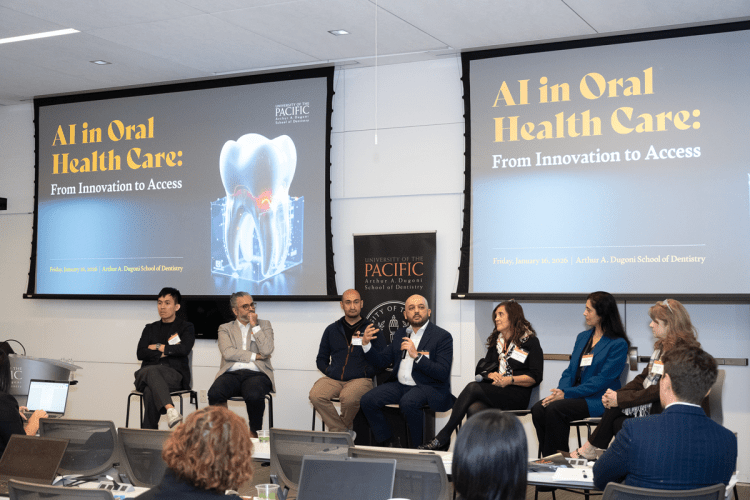
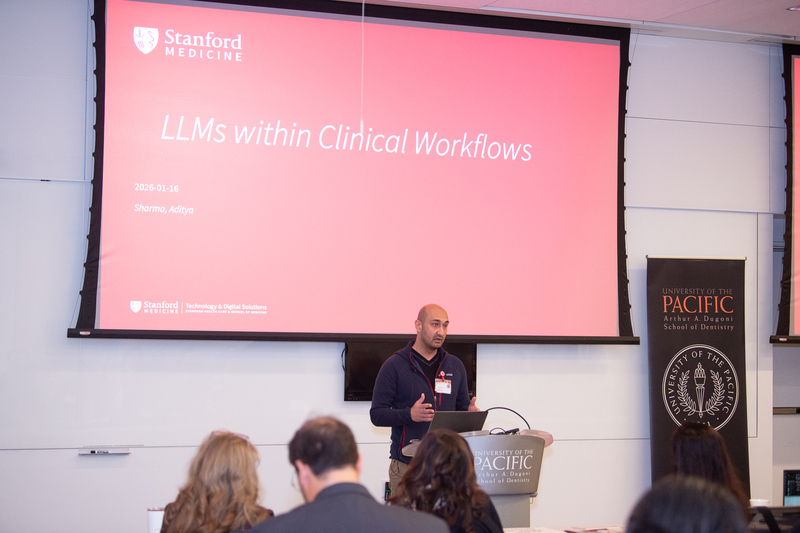
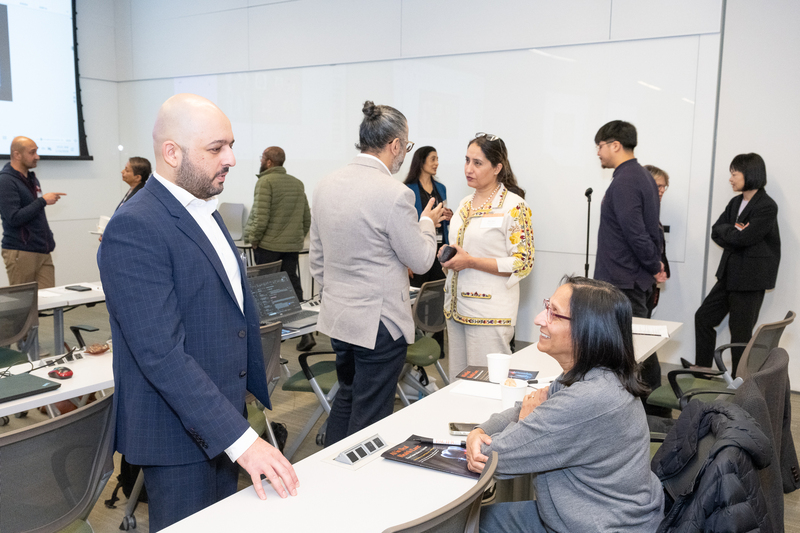
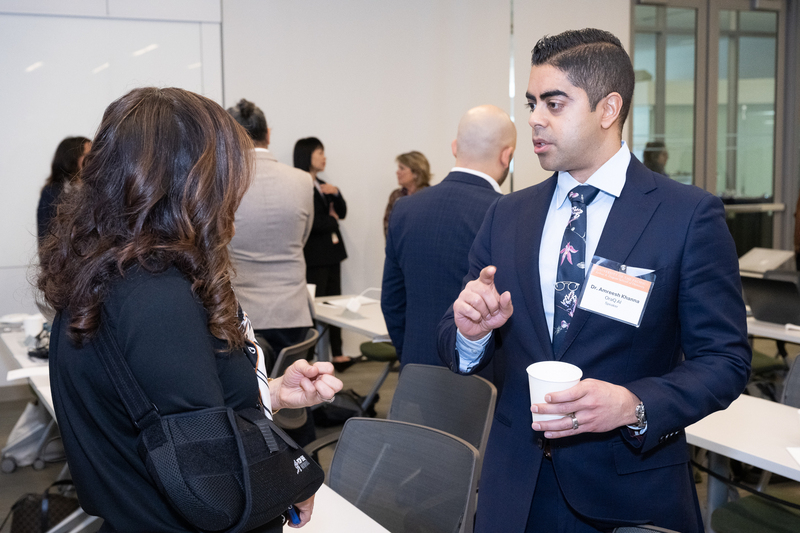
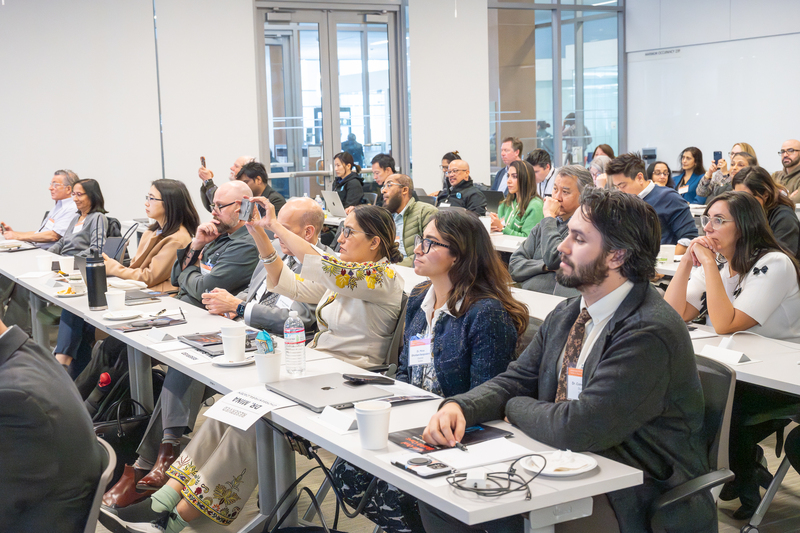
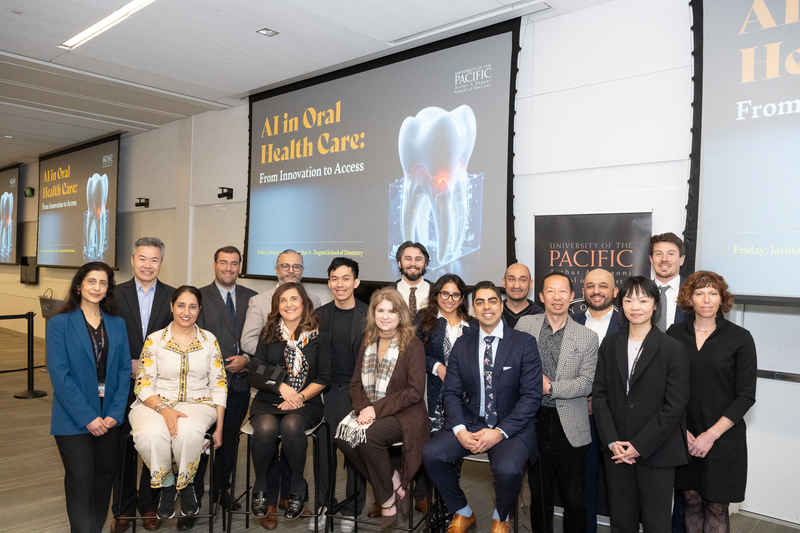
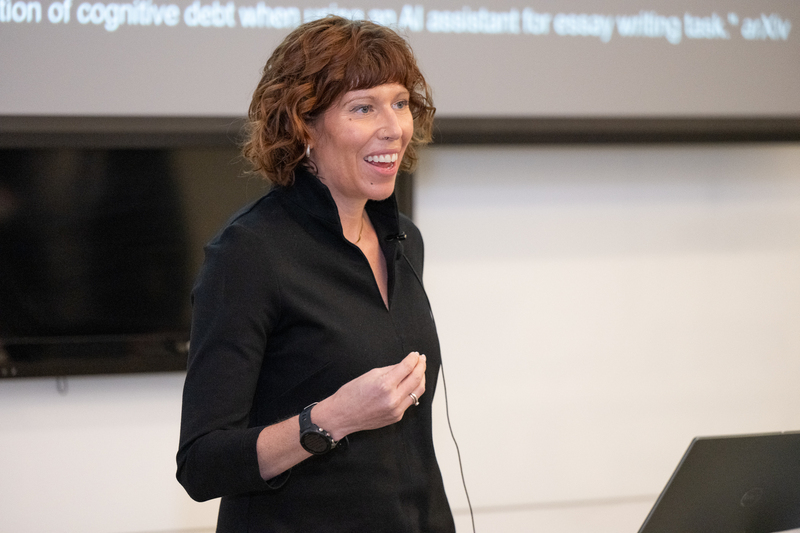
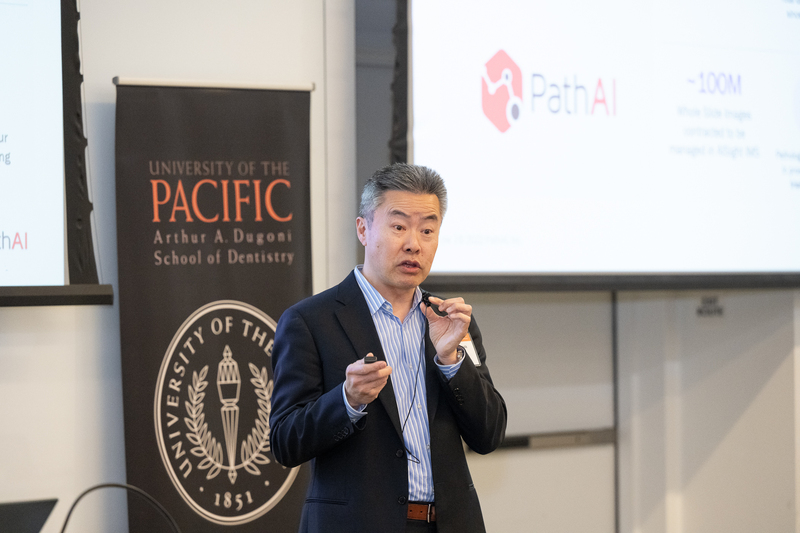
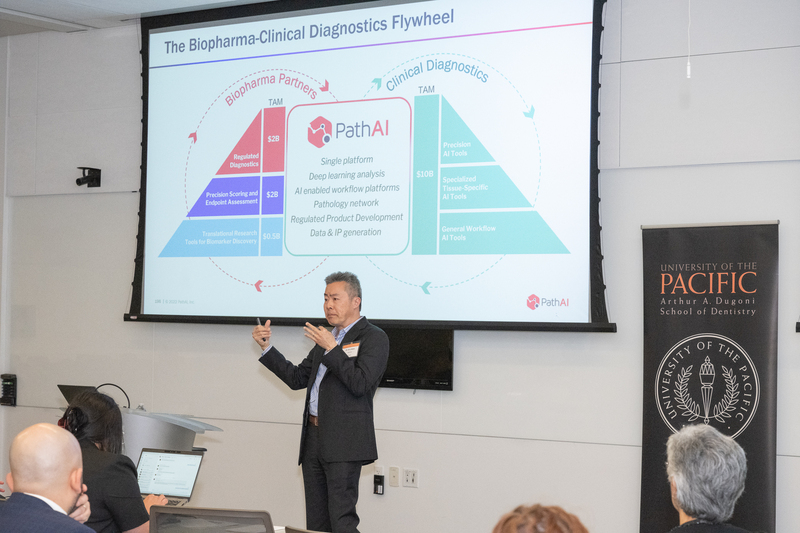
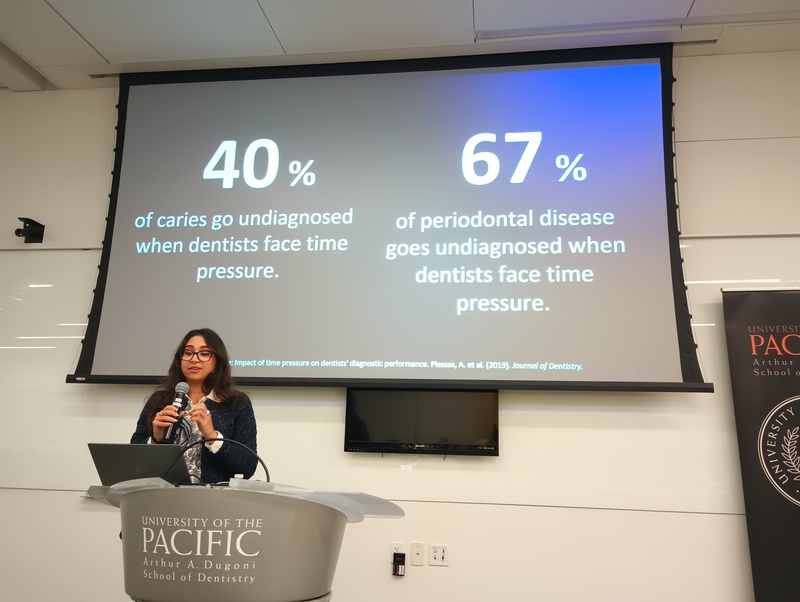
Leaders in artificial intelligence, clinical care, education and research gathered Jan. 16 at University of the Pacific, Arthur A. Dugoni School of Dentistry in San Francisco for the inaugural AI in Oral Health Care: From Innovation to Access symposium.
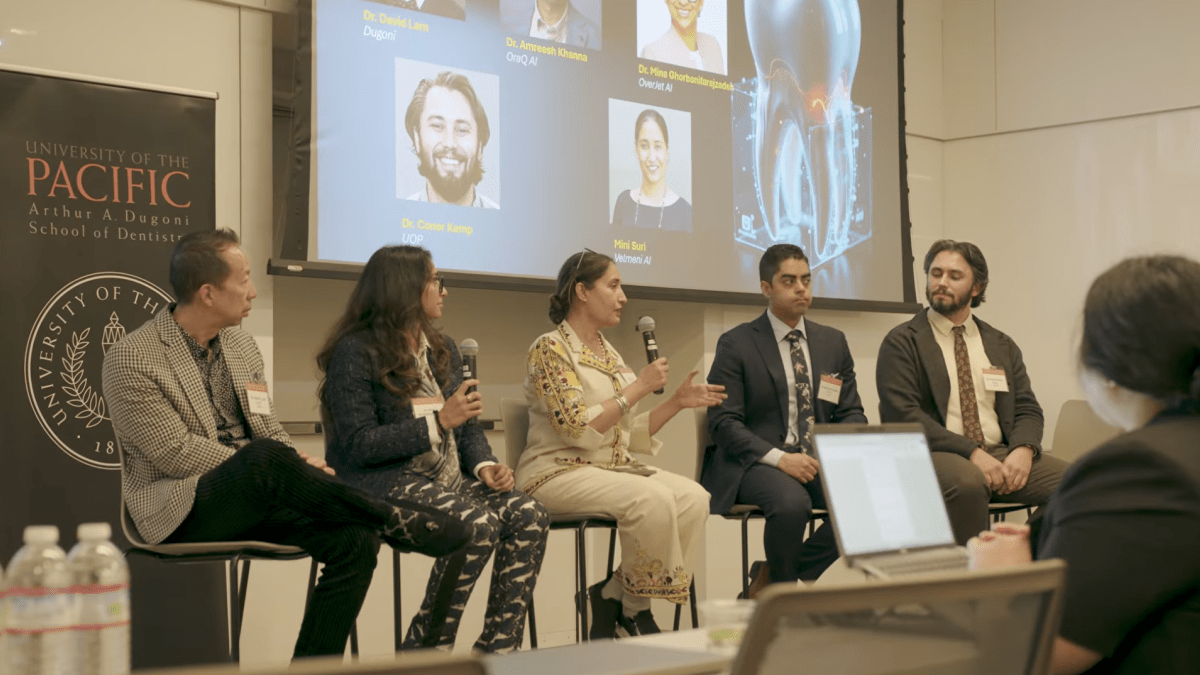
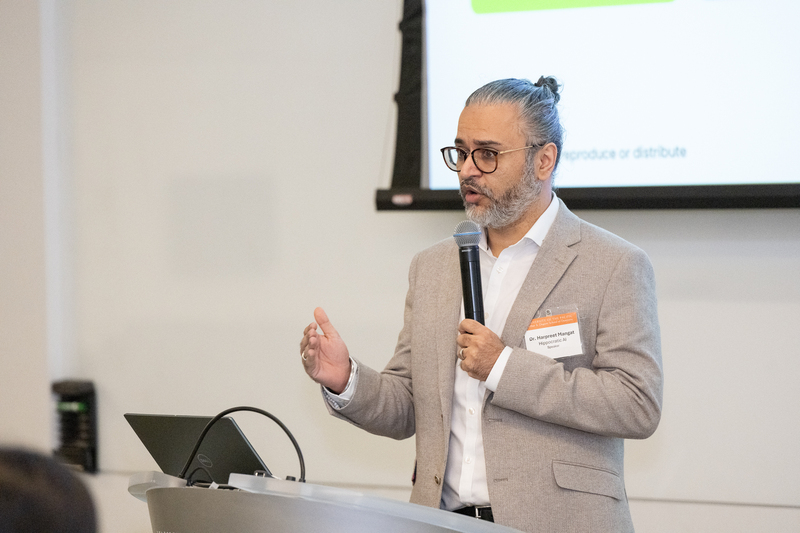
Co-hosted by the Dugoni School’s Center for Innovation and Translation and the Pacific Center for Equity in Oral Health Care, the event brought together leaders from Hippocratic AI, 2-Sigma AI, PathAI, OraQ, Overjet, VELMENI, Stanford Health Care and Stanford Arise, along with faculty experts from the Dugoni School of Dentistry. The symposium focused on how AI can responsibly advance patient care, research, education and access across oral health care and the broader health care ecosystem.
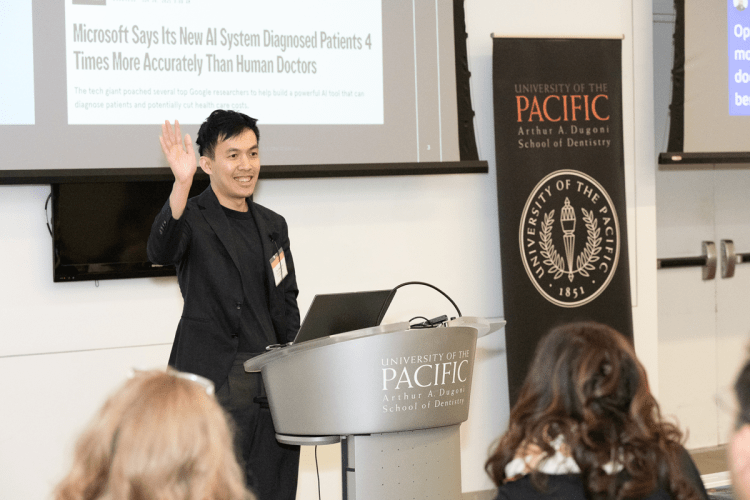
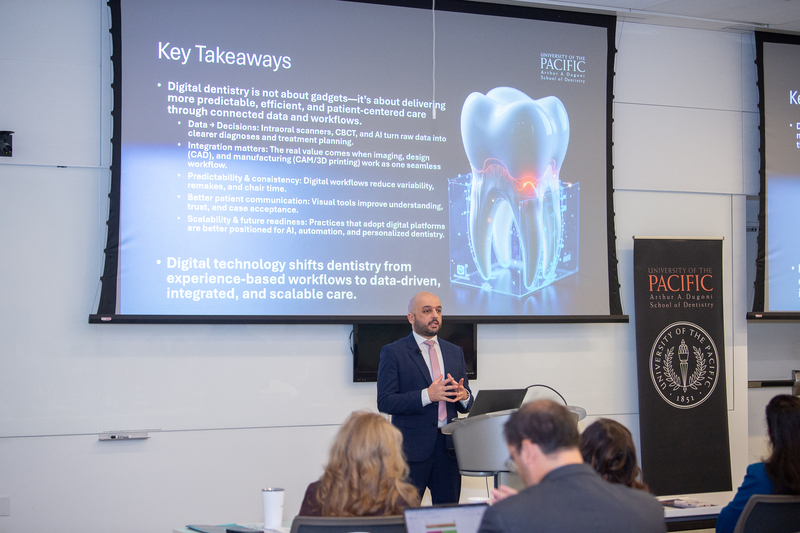
The keynote address — “AI Is Better Than Doctors (At Some Things). Now What?” — was delivered by Dr. Ethan Goh of Stanford University. Dr. Goh highlighted emerging evidence on where AI is demonstrating measurable improvements in accuracy, efficiency and scalability, and discussed how clinicians and health systems can thoughtfully integrate these tools while preserving trust and accountability.
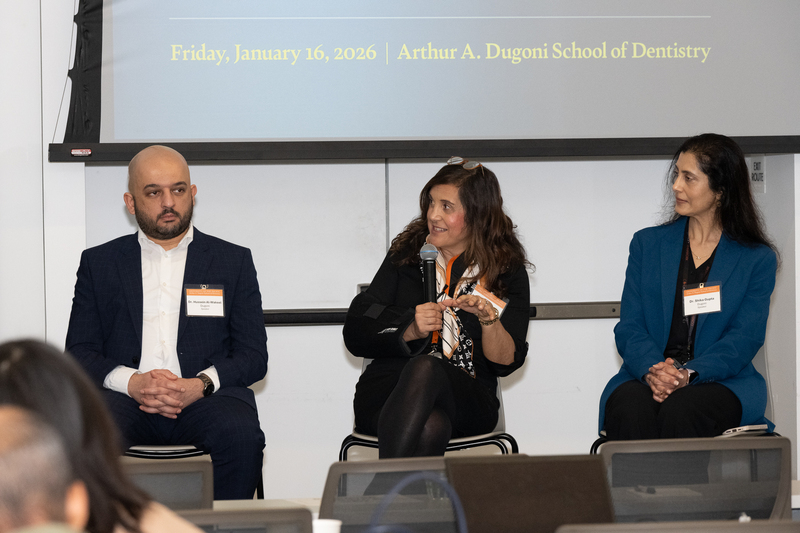
Throughout the day, panelists explored a wide range of topics, including the use of AI in clinical decision support and workflow transformation; lessons from medical AI that can be applied to dentistry, responsible and ethical use of AI in health professions education; and the growing role of AI in research, diagnostics, evidence generation and precision medicine. Speakers emphasized the importance of aligning innovation with equity, safety and real-world clinical needs.
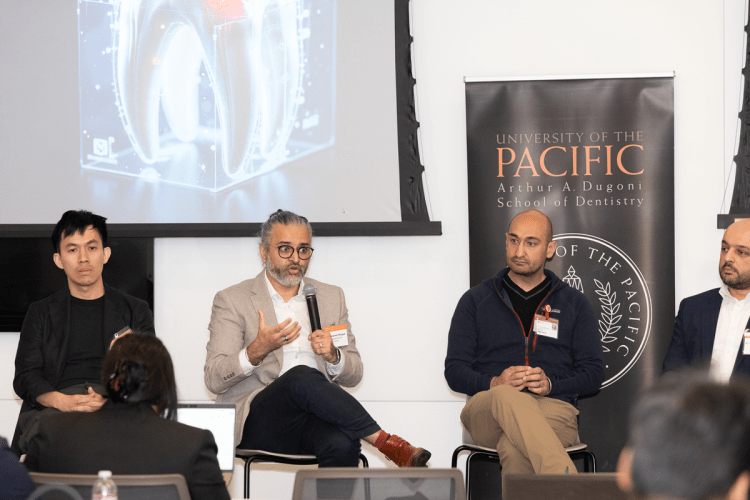
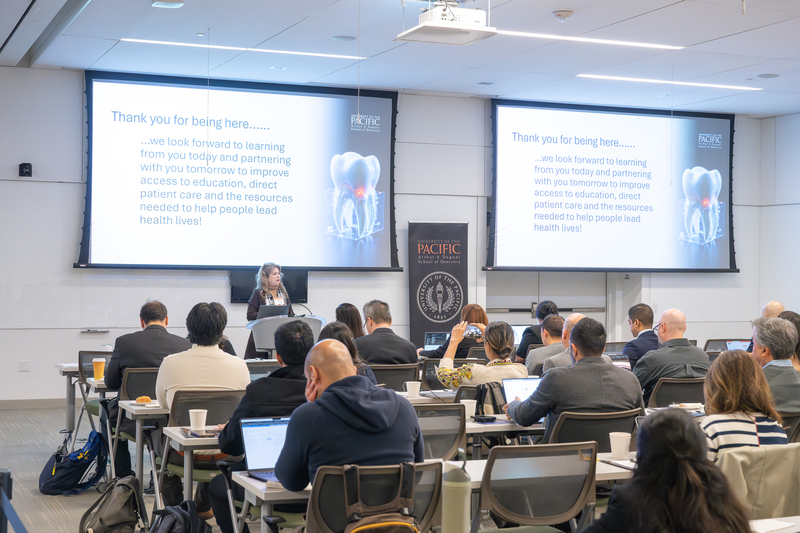
Interim Dean Dr. Elisa Chavez, who also serves as director of the Pacific Center for Equity in Oral Health Care, opened the symposium by challenging attendees to think beyond technology itself. “How can AI be used to better design studies and use the data we collect most effectively,” she asked, “to influence education, patient care and policy in meaningful ways?”
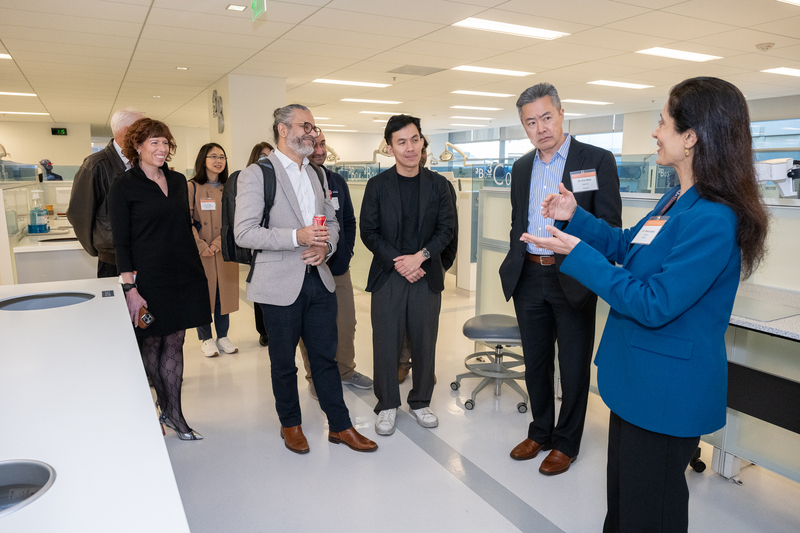
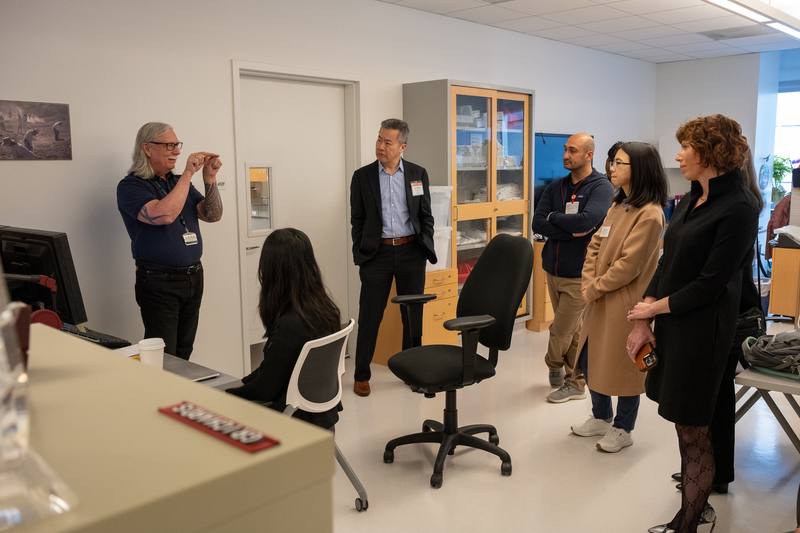
The Dugoni School’s Center for Innovation and Translation is actively collaborating with AI industry partners and academic collaborators to evaluate tools that support faculty calibration, caries detection, radiographic review and predictive treatment planning. The Center also leads NIH funded clinical research studies in sleep medicine, oral cancer, erosive tooth wear and is advancing the development of a biobank to enable future research at the intersection of oral and overall health.
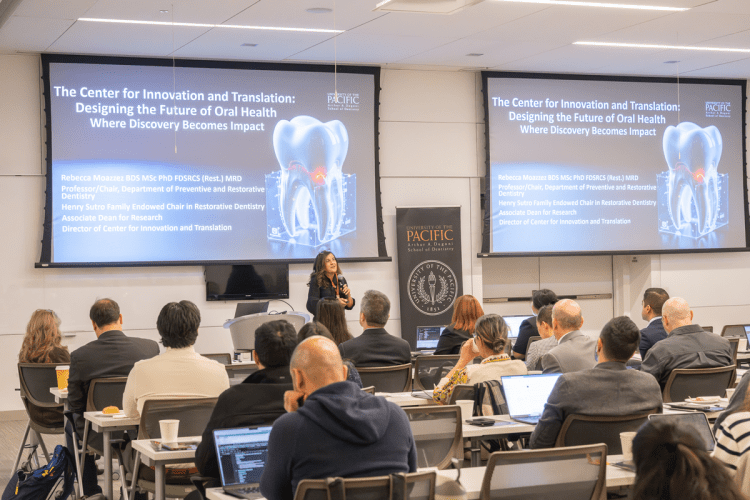
“The symposium united academics, clinicians and industry partners in a shared learning experience, exploring how AI innovations in medicine can be translated to dentistry,” said Dr. Rebecca Moazzez, professor and chair of the Department of Preventive and Restorative Dentistry, director of the Center for Innovation and Translation, and associate dean for research at the Dugoni School.. “Together, we explored how the medical and dental AI technologies could help to improve oral and overall health."
The symposium was sponsored by 3Shape.
Video: AI Symposium Recap