You are important to sustaining our community—and together, WE Will! Prosper, continuing to learn and grow through our local education and career opportunities. 

This program is designed to help you and your family plan for and manage educational expenses as part of overall financial well-being.  

Financing College

Paying for College  


To help pay for college, there are multiple financing resources which includes both free money – through scholarships and grants – and also loans designed specifically for college students.

It is also important to plan your living and meal arrangements – either on-campus or off-campus. These expenses are included in the total “cost of attendance” for college. This total cost may be eligible for free funding sources like scholarships and grants or payment plans, monthly payments instead of a lump sum. 

Scholarships are typically merit-based (free) awards granted to students for academic excellence, extracurricular achievements, or specific strengths. Scholarships do not need to be repaid. Learn more about scholarships at Pacific.


Grants are need-based (free) financial aids provided primarily by government entities to students demonstrating financial need within specific criteria and do not require repayment. Learn more about grants at Pacific.


Loans are borrowed funds that must be repaid. They are more widely accessible than grants or scholarships and can come from federal or private sources. While loans provide immediate financial support, they require careful consideration due to the obligation of repayment and the accumulation of interest over time. Learn more about loans at Pacific. 

FAFSA is short for the “Free Application for Federal Student Aid” and is among the most important forms you should complete when preparing for the cost of college. The FASFA helps identify specific funding sources and opportunities you may receive. There is a specific timeframe and steps for completing the FASFA each year. Check out these new FASFA how-to videos prepared by Pacific’s financial aid team! 

Financial Plans

Family conversations about money are a part of preparing for college and maintaining relationships each step of the way.  

Budgeting for college varies over time, depending upon how close you are to attending college. Don’t feel pressured or “behind” in budgeting—take steps from where you are at now to save and spend with strategies that maximize your money and support your plan. This is a personal balance.

Consider the following tips to getting started from wherever your family needs are at. 


For Students

Discussing and having open conversations about money with your parents can be uncomfortable or awkward. Stretch yourself to begin these conversations and use Prosper tools to help guide your conversation.

  • Create a Budget: List all income sources and expenses to develop a realistic monthly spending plan.

  • Track Spending: Monitor expenditures to identify areas where you can cut costs and adjust habits accordingly.

  • Limit Debt: Be cautious with credit card usage and consider part-time employment to cover personal expenses, minimizing reliance on loans.

  • Use Student Resources: Take advantage of campus facilities and services, such as health centers and public transportation, to reduce personal costs.​ 

For Parents

Teaching children about money is essential for developing their financial literacy and responsibility. Having open discussions and demonstrating financial habits, such as budgeting, saving, and thoughtful spending, reinforces budgeting skills. 

Age-Appropriate Financial Lessons

  • Ages 2-3: Introduce the names and appearances of coins through playful activities.​

  • Ages 4-5: Use pretend play, like running a mock store, to explain basic transactions.​ Tools like piggy banks or savings accounts can make the process tangible and rewarding.

  • Ages 6-8: Teach the importance of saving for desired items to instill delayed gratification, cultivate patience and planning skills. Encourage dividing money into saving, spending, and donating categories to foster discipline and goal setting.

  • Ages 9-12: An allowance tied to responsibilities can impart lessons on earning, saving, and spending. Allocating part of their money to charitable causes can instill empathy and social responsibility.

  • Ages 13-15: Share family budgeting discussions to provide insight on managing household expenses.​ Introduce concepts like credit, interest, and responsible borrowing.​

  • Ages 16 and up: Encourage part-time jobs and guide them in managing income, expenses, and savings. 

Saving for College:

  • Start Early: Initiate savings as early as possible, even from your child's birth, to leverage the benefit of interest growing or “compounding” on the money you put into a savings account. ​For example, 529 College Savings Plans are savings accounts designed to help you save for college expenses. To learn more, consult your local bank to see if they facilitate 529 plans. ​

  • Regular Contributions: Aim for consistency in how you contribute money to your savings from various sources, such as gifts or part-time work, in a dedicated savings account. ​

  • Financial Aid Awareness: Begin early, through resources like this (you’re doing great!) to research and apply for scholarships, some of which can be received and saved prior to enrolling in college. ​

Budgeting with Kids in College:

  • Open Communication: Discuss financial expectations and responsibilities with your college-bound child to ensure mutual understanding. ​

  • Expense Planning: Identify and prioritize essential costs like tuition, housing, and meals, distinguishing them from discretionary (non-essential, fun) spending. ​

  • Emergency Fund: Establish a financial buffer to help with unexpected expenses without disrupting the overall budget.​ 

Implementing these strategies can help manage college expenses more effectively, reduce financial stress and promote long-term financial growth. 


A note about financial security: Protect your personal information by being mindful of where and how you share your personal information. Avoid oversharing personal details on social media and be cautious of unsolicited emails or messages. 

College Prep

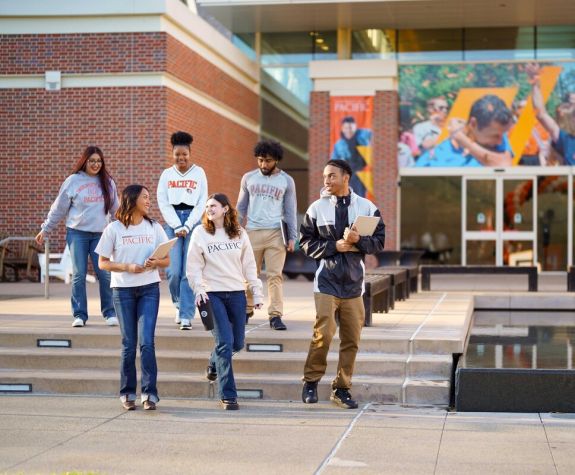
Students walk down steps together
Community Involvement Program

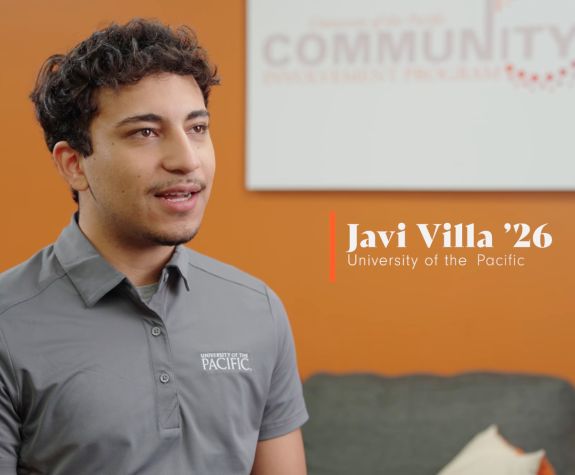
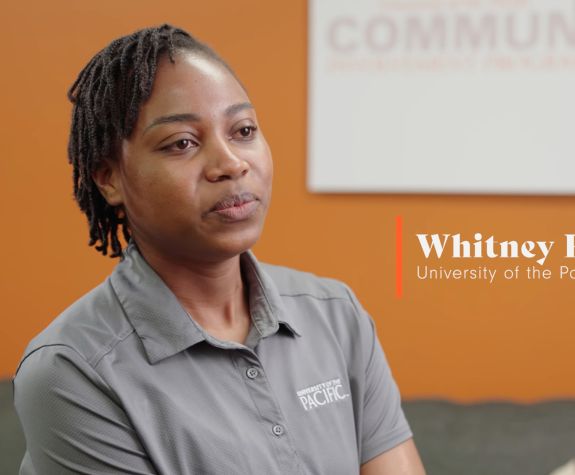
Student scholars from Pacific’s Community Involvement Program (CIP) host interactive Prosper Workshops with middle and high school students and local families in San Joaquin County—both in person and online (by Zoom).  CIP scholars are available to speak with you, answer questions and help connect you with additional resources. 

Prosper Interest Form

Simply complete this short form and a CIP scholar will be in touch with you soon.

Fill out my online form.


Come Visit

Join Pacific for a free campus tour or attend an admission event. Experience our campuses and feel what a day in the life of a college student could be like for you.

students on a campus tour
WE Will logo
About the WE Will! Collaborative

The WE Will! K-16 Workforce and Education Collaborative is committed to addressing systemic barriers and bridge educational gaps for students within the Merced, Stanislaus and San Joaquin Counties. This Prosper program is funded by a Collaborative sub-grant.