



Session 2

First-Response Engineering

Rescue by Design

Step into the role of a first-response engineer and examine what happens when communities face floods, heat waves, power outages and other emergencies. Instead of only reading the headlines, students explore how physical infrastructure, social systems and the environment interact—and how small breakdowns can cascade into far larger failures.

Working in teams, students analyze real disasters, trace how key decisions were made and who was most affected and then build hands-on solutions. From simple flood barriers and cooling devices to emergency water and power systems, students design, test and refine their ideas while learning how engineering choices can protect—or put at risk—people during crises.


Curriculum

In this program, students learn to think like systems-minded engineers—looking beyond isolated problems to understand the larger network at work. They map how roads, power, water, communication systems and community resources connect, then use decision timelines to unpack how engineering choices, policies, maintenance practices and budget priorities shaped real events. Along the way, they identify key stakeholders—from engineers and officials to residents and first responders—and examine where decision-making can clash with the needs of the people most affected.

With these insights, students set clear design criteria and constraints for their own disaster-response challenges, then build and test functional prototypes. They collect data to evaluate performance, analyze what failed and why and communicate their process through models, sketches and explanations that show what they built, the reasoning behind their choices and how they would improve the design next time.

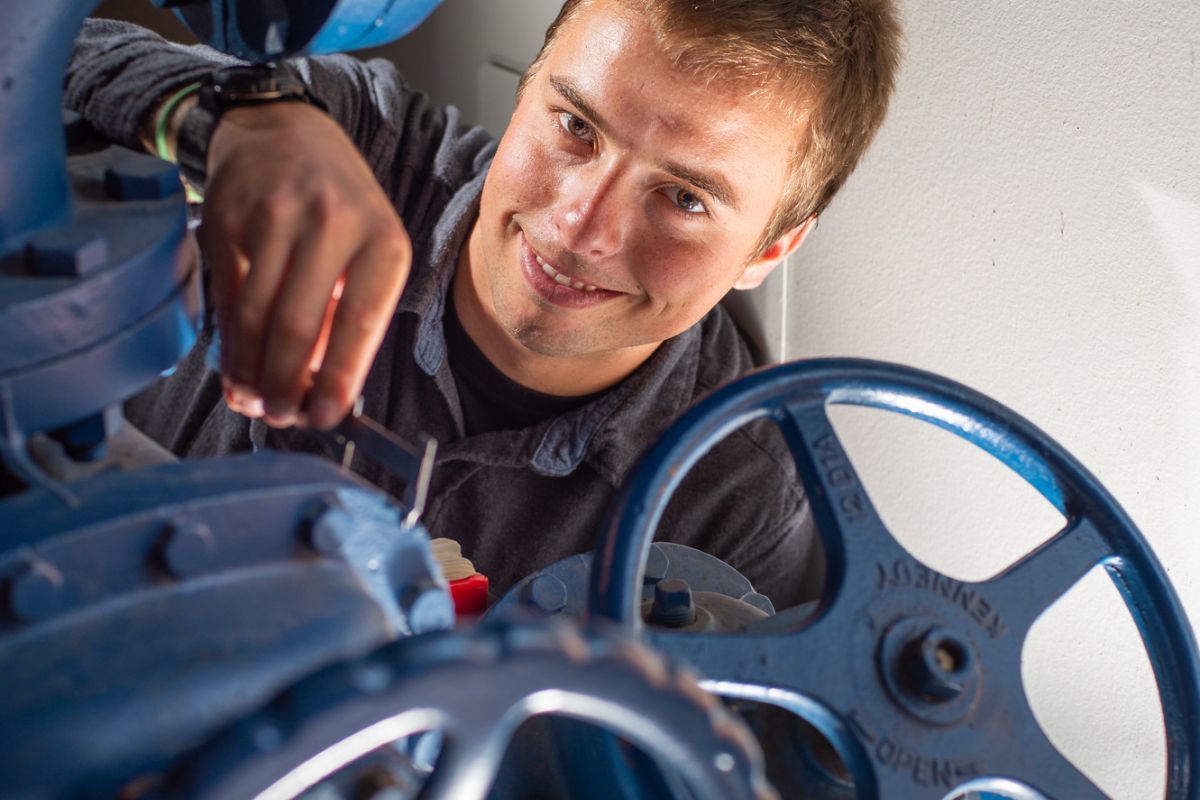
Student in engineering lab
Planned Topics

First Response Engineering topics include systems thinking, disaster analysis, infrastructure resilience and community-centered design. Students explore how physical structures, social systems and environmental conditions interact during crises.

Hands-on prototyping connects directly to real-world challenges. Depending on the week’s disaster theme, students can design small-scale flood barriers, passive cooling devices, emergency water systems or other survival-focused solutions tailored to different communities. Throughout, they practice asking critical questions: Who is most at risk? Who makes the decisions? Who gets left out?

Summer Institute Logo
Alisha Rodriguez
Faculty Lead
Alisha Rodriguez

Assistant Professor, School of Engineering and Computer Science

PhD, University of California, Davis. Hydrologic Sciences (2024)
MS, University of California, Davis. Civil and Environmental Engineering (2021)
BS, University of the Pacific. Civil Engineering (2018)

Dr. Rodriguez's PhD focused on groundwater modeling, specifically of managed aquifer recharge sites in California. Her current research focuses include groundwater modeling, conjunctive use of water resources and resiliency of water resources to changing water availability.

Faculty Lead
David Mueller

Assistant Dean, School of Engineering and Computer Science

PhD, Electrical and Computer Engineering, University of Missouri, 2015
MS, Electrical Engineering, University of Missouri, 2008
BS, Electrical Engineering and Computer Engineering, University of Missouri, 2006

Dr. David Mueller is an Associate Professor of Electrical and Computer Engineering and Assistant Dean for Technology and Facilities at Pacific's School of Engineering and Computer Science. His research interests include engineering education and renewable energy and carbon emissions of renewable resources such as wind and photovoltaics. 

David Mueller
Take the Next Step