

Turn engineering designs into lasting infrastructure

Construction engineers transform engineering designs into the infrastructure communities depend on, from housing and water systems to roads and bridges. Their work connects engineering design with safe, efficient and sustainable project delivery. By overseeing construction projects, they help ensure work stays on schedule, within budget and meets quality standards.

University of the Pacific's construction engineering degree combines hands-on learning with internship opportunities, giving you practical experience and the skills to enter the workforce with confidence.

Build hands-on experience in practical projects

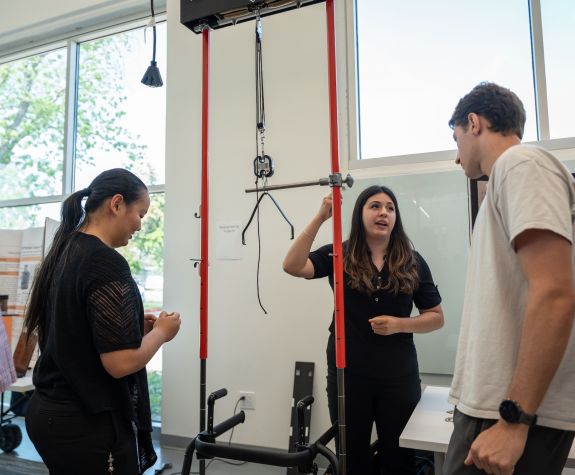
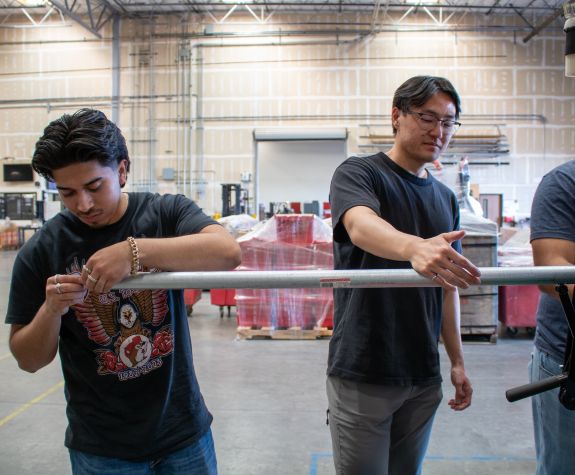
This degree is built around hands-on learning, bringing real-world practice into the classroom. You'll learn to apply your skills as part of a team in your Cooperative Education internship and senior capstone project. 

Industry-informed curriculum

You'll learn to bridge the divide between engineering design and industry standards for construction, with an emphasis on methods and materials, building information modeling, contracts, risk management, scheduling and project controls. 

The right location

As one of California's most active infrastructure and construction regions, the Central Valley puts you in an ideal place to learn construction management. You also have direct access to other major centers in Northern California, including Sacramento and the Bay Area. 

Career outcomes

There's a strong and growing need for construction engineers, especially in the Central Valley. Jobs associated with the field are expected to grow nearly 11% by 2031, according to the labor market analyst Lightcast.  


Construction engineering
soecs
Earn while you learn

You'll put your education to use—and build your resume—in a Co-op internship, a paid position that lasts for six to eight months. It's a chance to build your skills while also learning the professional practices vital to your success after graduation.  

Learning Outcomes

  1. Solve complex problems: Identify, formulate and solve complex engineering problems through the application of engineering, science and mathematics. 

  1. Design engineering solutions: Apply engineering design to produce solutions that factor in public health, safety and welfare, along with global, cultural, social, environmental and economic factors.  

  1. Communicate effectively:  Learn how to transmit your ideas to a range of audiences. 

  1. Exercise ethical and professional judgement: Recognize your ethical and professional responsibilities in engineering situations. Use that to make informed judgements, which considers the impact of engineering solutions in global, economic, environmental and social contexts.  

  1. Function effectively on teams: Function on a team through mutual leadership, creating a collaborative and inclusive environment, establishing goals, planning tasks and meeting objectives.  

  1. Experimentation and judgement: Develop and conduct appropriate experimentation. Analyze and the resulting interpret data, then using your engineering judgement to draw conclusions.  

  1. Acquire and apply new knowledge: Learn to build and apply new knowledge as needed in your work. 

Contact Us

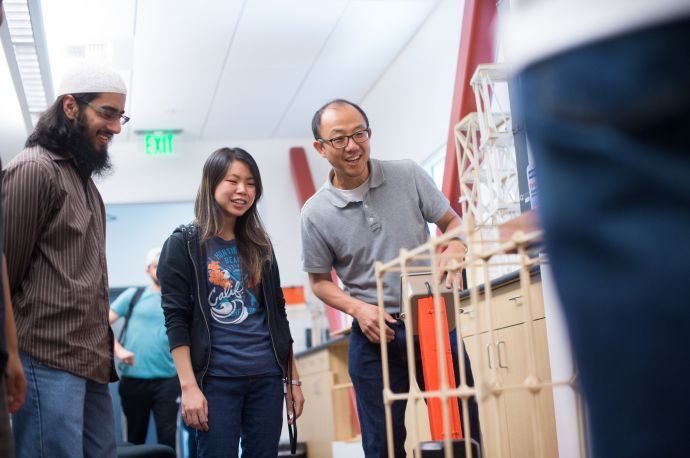
Engineering students with Professor
School of Engineering and Computer Science
Location: