

Applications of Botox in the Treatment of TMD and Myofascial Pain

Saturday, August 29 - Sunday, August 09, 2026
09:00 a.m. - 12:00 p.m.
Add to Calendar 2026-08-29 09:00:00 2026-08-09 12:00:00 Applications of Botox in the Treatment of TMD and Myofascial Pain Temporomandibular disorders (TMD) are common sources of pain in dental practice, and some cases are resistant to conventional treatment. In select patients, Botox may be indicated. This webinar provides practical instruction for clinicians seeking to incorporate Botox into their treatment options.Participants will learn how to perform a TMD physical examination to differentiate joint-related pain from muscular pain. The presenters will provide an overview of how neurotoxins, such as Botox, work and their application in the treatment of TMD and myofascial pain. Some common neurotoxins currently available on the market and their general pricing will be compared. Typical injection sites for muscular TMD will be explained, along with a demonstration of the proper steps for hydrating a vial of neurotoxin. Risks, legal considerations and potential complications will also be discussed.You Will LearnTo perform a TMD physical examinationTo identify and differentiate joint-related versus muscular painTo understand how neurotoxins, such as Botox, work to treat muscular TMDTo recognize common injection points for neurotoxinsTo hydrate and administer the neurotoxins as well as the armamentarium neededWho Should AttendThis webinar is designed for practitioners who are seeking to offer neurotoxins in their practice for the treatment of muscular TMD.Tuition: $195 Dentists; $165 Allied Dental ProfessionalsProgram: 9:00 am – 12:00 pmFormat: Live, interactive webinar via ZoomCredits: This activity is designated for 3 units of continuing education credit.PresentersAndrew Young, DDS, MSD, received a DDS degree from UCSF, a GPR certificate from the VA and an MSD in orofacial pain from Rutgers School of Dental Medicine. He is a diplomate of the American Board of Orofacial Pain and the American Board of Dental Sleep Medicine, and a fellow of the American Academy of Orofacial Pain. He is an associate professor with tenure in the Department of Diagnostic Sciences at the Dugoni School of Dentistry and serves as director of the orofacial pain curriculum. He has published more than 45 peer-reviewed articles. He also heads the Dugoni School’s evidence-based, decision-making and critical thinking curriculum, which teaches appraisal of scientific literature. He previously worked eight years in community clinics and has been a partner in private practice for 15 years.Samuel Liu, DDS, is a fellowship-trained oral and maxillofacial surgeon who completed a DDS degree at the Dugoni School of Dentistry. He also completed a residency program in oral and maxillofacial surgery at Howard University Hospital in Washington, D.C. and a fellowship in pediatric craniomaxillofacial surgery at University of Pittsburgh. Dr. Liu has been active in the oral surgery community and has given many invited lectures on various topics. He is passionate about orthognathic and cleft surgery and is currently an attending for the oral and maxillofacial surgery residency program at Harbor UCLA Medical Center. He is a member of the American Association of Oral and Maxillofacial Surgeons, American Dental Association, West Los Angeles Dental Society, California Dental Association and the American Cleft Palate-Craniofacial Association. 155 5th St, San Francisco, CA 94103, USA Arthur A Dugoni School of Dentistry Arthur A Dugoni School of Dentistry America/Los_Angeles public

Temporomandibular disorders (TMD) are common sources of pain in dental practice, and some cases are resistant to conventional treatment. In select patients, Botox may be indicated. This webinar provides practical instruction for clinicians seeking to incorporate Botox into their treatment options.

Participants will learn how to perform a TMD physical examination to differentiate joint-related pain from muscular pain. The presenters will provide an overview of how neurotoxins, such as Botox, work and their application in the treatment of TMD and myofascial pain. Some common neurotoxins currently available on the market and their general pricing will be compared. Typical injection sites for muscular TMD will be explained, along with a demonstration of the proper steps for hydrating a vial of neurotoxin. Risks, legal considerations and potential complications will also be discussed.

You Will Learn

  • To perform a TMD physical examination
  • To identify and differentiate joint-related versus muscular pain
  • To understand how neurotoxins, such as Botox, work to treat muscular TMD
  • To recognize common injection points for neurotoxins
  • To hydrate and administer the neurotoxins as well as the armamentarium needed

Who Should Attend

This webinar is designed for practitioners who are seeking to offer neurotoxins in their practice for the treatment of muscular TMD.

Tuition: $195 Dentists; $165 Allied Dental Professionals
Program: 9:00 am – 12:00 pm
Format: Live, interactive webinar via Zoom
Credits: This activity is designated for 3 units of continuing education credit.

Presenters

Andrew Young, DDS, MSD, received a DDS degree from UCSF, a GPR certificate from the VA and an MSD in orofacial pain from Rutgers School of Dental Medicine. He is a diplomate of the American Board of Orofacial Pain and the American Board of Dental Sleep Medicine, and a fellow of the American Academy of Orofacial Pain. He is an associate professor with tenure in the Department of Diagnostic Sciences at the Dugoni School of Dentistry and serves as director of the orofacial pain curriculum. He has published more than 45 peer-reviewed articles. He also heads the Dugoni School’s evidence-based, decision-making and critical thinking curriculum, which teaches appraisal of scientific literature. He previously worked eight years in community clinics and has been a partner in private practice for 15 years.

Samuel Liu, DDS, is a fellowship-trained oral and maxillofacial surgeon who completed a DDS degree at the Dugoni School of Dentistry. He also completed a residency program in oral and maxillofacial surgery at Howard University Hospital in Washington, D.C. and a fellowship in pediatric craniomaxillofacial surgery at University of Pittsburgh. Dr. Liu has been active in the oral surgery community and has given many invited lectures on various topics. He is passionate about orthognathic and cleft surgery and is currently an attending for the oral and maxillofacial surgery residency program at Harbor UCLA Medical Center. He is a member of the American Association of Oral and Maxillofacial Surgeons, American Dental Association, West Los Angeles Dental Society, California Dental Association and the American Cleft Palate-Craniofacial Association.
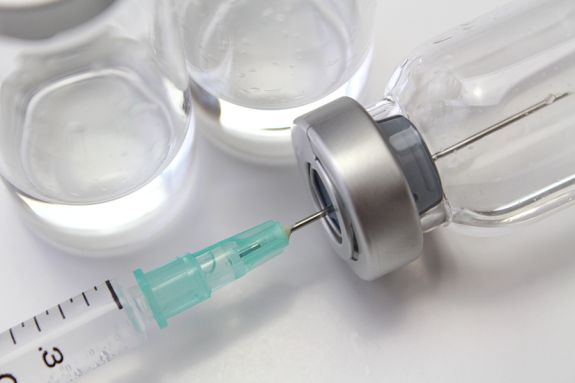

needle and vial
Location
Arthur A Dugoni School of Dentistry
155 5th St, San Francisco, CA 94103, USA