

Develop Advanced Clinical Skills 


Clinical psychologists play a vital role in addressing complex mental health needs across diverse settings. The Doctor of Psychology (PsyD) in Clinical Psychology program at University of the Pacific prepares students for professional practice through intensive training in psychological assessment, intervention, ethics and research-informed clinical decision-making.

The PsyD in Clinical Psychology is designed for students seeking advanced preparation as health service psychologists. The program emphasizes the integration of theory, research and supervised clinical practice to support professional competence and lifelong learning.

Program Format & Location

Program Structure

The PsyD in Clinical Psychology is delivered through an in-person instructional model that incorporates elements of hybrid and online learning.


Online components may include:

  • Lectures
  • Readings
  • Discussions

In-person components emphasize:

  • Clinical skill development
  • Assessment and intervention practice
  • Case conceptualization
  • Professional identity development
  • Seminars
  • Class discussions

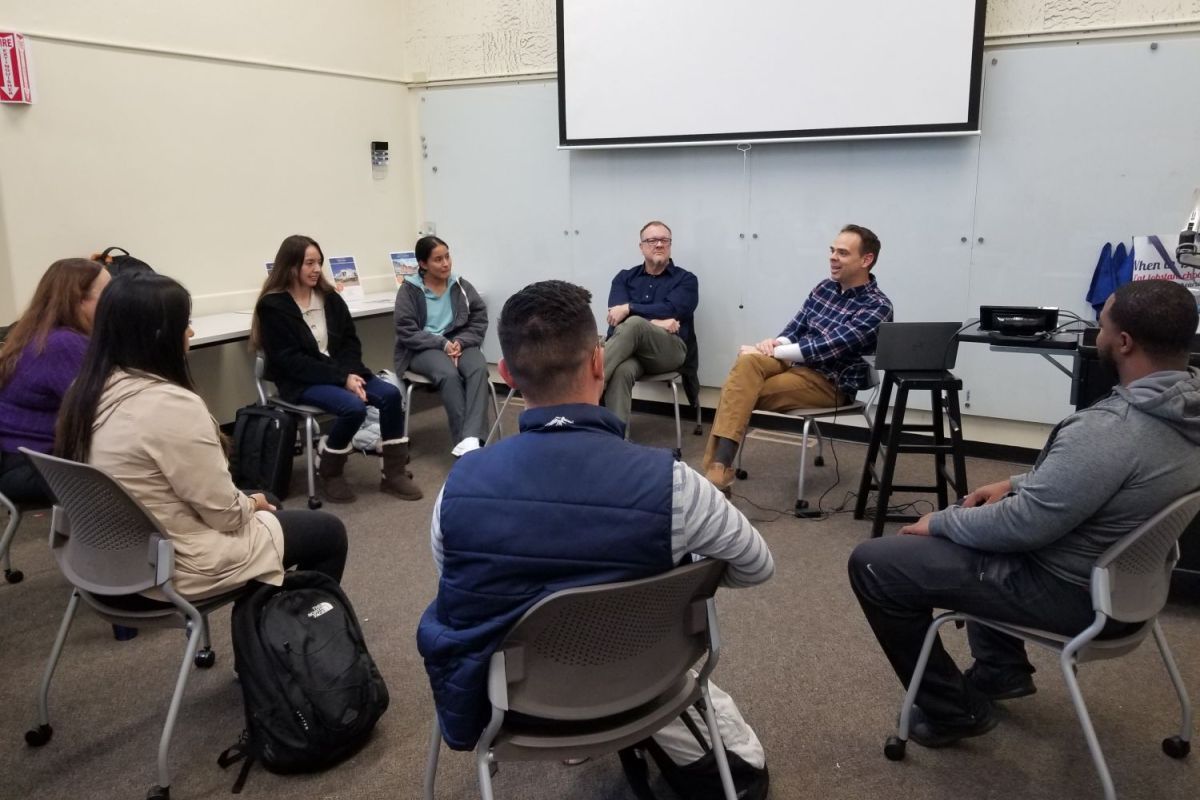
Students are typically on campus two days per week.

Location: Stockton Campus
Format: In Person 
In-person requirement: 2 days per week

Why Choose Our Clinical Psychology Program?

Emphasis on Clinical Training

Students complete multiple supervised practicum experiences prior to the doctoral internship. Practicum placements provide opportunities to develop and refine assessment, intervention, and professional skills in applied clinical settings.

Structured Progression and Cohort Model

The program follows a predetermined course sequence. Students advance through the program as part of a cohort, promoting continuity, peer support, and professional socialization.

In-Person Training with Elements of Hybrid Flexibility

The program prioritizes in-person clinical instruction and supervision, which are essential for doctoral-level training in clinical psychology. Selected courses may incorporate hybrid or online components when justified by course content and learning objectives.


Faculty Expertise and Mentorship

Faculty members are experienced clinicians and scholars who provide close supervision, mentoring, and instruction. Students benefit from faculty engagement in teaching, supervision, and professional practice.

Counseling Psychology and Clinical Psychology: What’s the Difference?

Counseling psychology and clinical psychology are both health service psychology specialties that prepare graduates for professional practice and licensure. While the fields share many core competencies, they differ in emphasis and training focus.

Counseling Psychology emphasizes:

  • Counseling relationships and therapeutic processes
  • Strengths-based and developmental perspectives
  • Career, vocational, and life adjustment concerns
  • Wellness, resilience, and prevention
  • Work with individuals across the lifespan and in diverse contexts

Clinical Psychology emphasizes:

  • Assessment and treatment of severe psychopathology
  • Diagnosis and intervention for complex mental health conditions
  • Training in medical, hospital, and intensive clinical settings

Both specialties involve rigorous training in assessment, intervention, ethics, research, and supervision. Students considering either path are encouraged to reflect on their professional interests, values, and preferred practice settings.

Department Chair
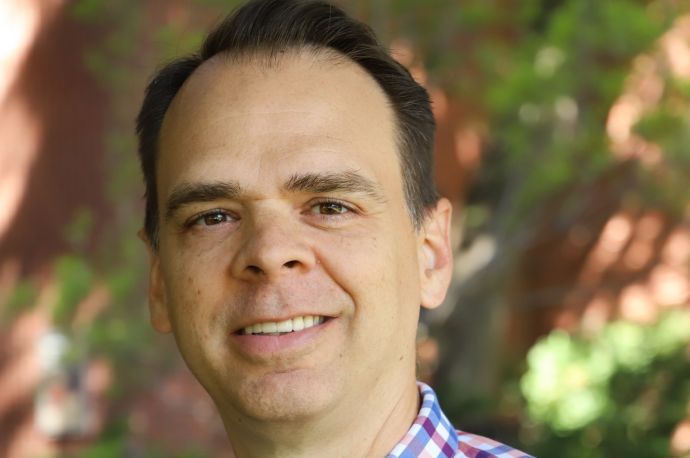
Justin Low

“At University of the Pacific, we value and teach students to be reflective practitioners, collaborative professionals, and lifelong learners. Students benefit from close working relationships with dedicated faculty who are deeply engaged in training, supervision, and service to the community.”

-Justin Low, Department Chair, University of the Pacific

justin low

Careers in Clinical Psychology

Graduates of the PsyD in Clinical Psychology pursue professional roles in a variety of settings, including:

  • Hospitals and medical centers
  • Community mental health agencies
  • Private practice
  • Schools and universities
  • Integrated healthcare systems

The program prepares students for professional practice serving diverse populations across the lifespan.


Career Outlook

Clinical psychology is a growing field with sustained demand for trained professionals. According to the U.S. Bureau of Labor Statistics, employment opportunities in mental health-related professions are projected to grow faster than the national average over the coming decade.

Doctoral training in clinical psychology positions graduates to pursue advanced clinical roles and professional licensure, subject to state requirements.

psyd
Clinical Training & Internship

Clinical training is a core component of the PsyD in Clinical Psychology.

Students complete:

  • Sequential practicum placements in approved clinical settings
  • A full-time, year-long doctoral internship consistent with professional training standards

Practicum and internship experiences are designed to support the development of competencies required for entry-level practice in clinical psychology.

Curriculum & Coursework

The PsyD curriculum integrates academic coursework with applied clinical training.

Areas of study include:

  • Clinical assessment and intervention
  • Diversity and cultural considerations in clinical practice
  • Ethical and legal standards
  • Supervision and consultation
  • Professional values and interpersonal skills
  • Psychopathology
  • Research methods

Experiential learning is emphasized through practicum-based courses and supervised clinical training throughout the program.

Follow Us

Follow Us Image
Benerd College