

Breadcrumb
State providing seed money for new Pacific School of Medicine
California lawmakers approved early seed money for the planned School of Medicine at University of the Pacific, designed to address the severe and growing physician shortfalls across Central Valley and beyond.
State Sen. Jerry McNerney and State Assemblymember Rhodesia Ransom championed $2 million in state funding to help in the early stages of the creation of the Pacific School of Medicine, which will be the first M.D.-granting institution outside of the state’s largest population centers in Southern California, the Bay Area and Greater Sacramento.
“Physician shortages and barriers to accessing health care are impacting families across our region,” McNerney said. “Our communities need more doctors and greater opportunities for students from the Central Valley to pursue a medical education. I was proud to partner with Assemblymember Ransom to secure this much-needed state funding for University of the Pacific’s proposed School of Medicine.”
Ransom is making the Pacific School of Medicine a top priority for the California Legislature next year.
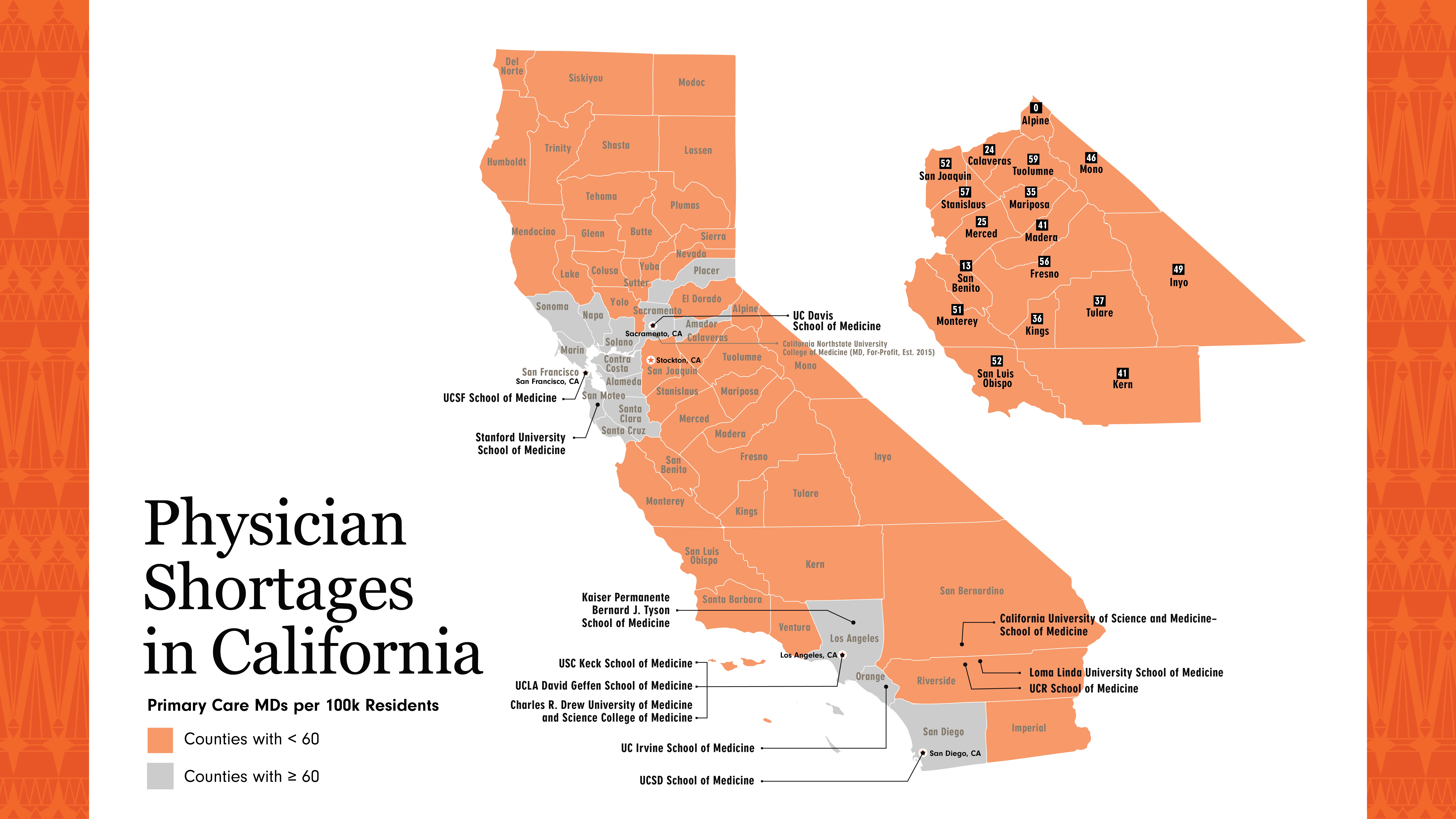
“I’m proud to help deliver this win to bring more doctors to our region,” she said. “Right now, we have just 47 primary care physicians for every 100,000 residents, and families across the Central Valley are waiting too long or traveling too far to get the care they need. We cannot accept that as the status quo.
“I’m committed to continuing this partnership with University of the Pacific, building on this investment and bringing additional resources to Stockton to see this vision through.”
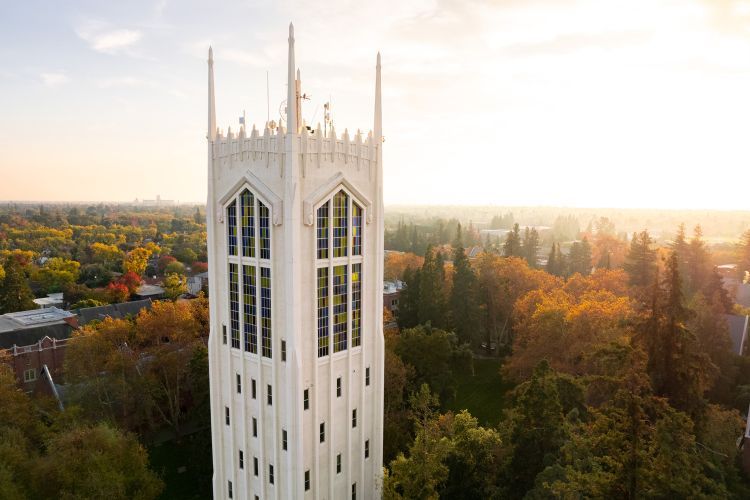
Located on the university’s historic Stockton Campus, the new School of Medicine will focus on educating a new cadre of doctors for severely underserved areas. The regions located south of the Bay Area and Greater Sacramento and north of Los Angeles—the San Joaquin Valley, southern foothills, Central Coast and Eastern Sierra—all fall below the minimum standards for primary care physicians per capita while California’s largest metropolitan areas—home to the state’s 13 M.D.-granting schools—meet the recommended physician-to-population ratios.
"We are tremendously grateful to Senator McNerney and Assemblymember Ransom for championing this project in the Legislature,” said Pacific President Christopher Callahan. “Their support is invaluable as we work together to address the dangerous health care disparities in the region through the creation of the Pacific School of Medicine. We look forward to continuing to work alongside them on this transformational initiative, which will create practice-ready physicians who are prepared to serve our local communities.”
An essential centerpiece of the new School of Medicine at Pacific is a strategic clinical partnership with Dignity Health St. Joseph’s Medical Center. Under the partnership, Dignity Health will place medical school students from Pacific in clinical rotations at St. Joseph’s and other hospitals across the region.
Pacific leaders are now working on the accreditation process and have launched a national search for the school’s founding dean. University officials hope to welcome the first medical school cohort in fall 2030.
Pacific has secured more than $30 million in early private donations to the transformational initiative and pledged another $50 million through university resources.
The new School of Medicine will build on Pacific’s existing health care strengths from the Arthur A. Dugoni School of Dentistry, the Thomas J. Long School of Pharmacy and the School of Health Sciences, which prepares new nurses, physician assistants, audiologists, physical therapists and other health care professionals for the workforce.
Pacific will be just the 36th American university to have schools of medicine, dentistry, pharmacy and health sciences.