



Breadcrumb
Searching for Sense of Place
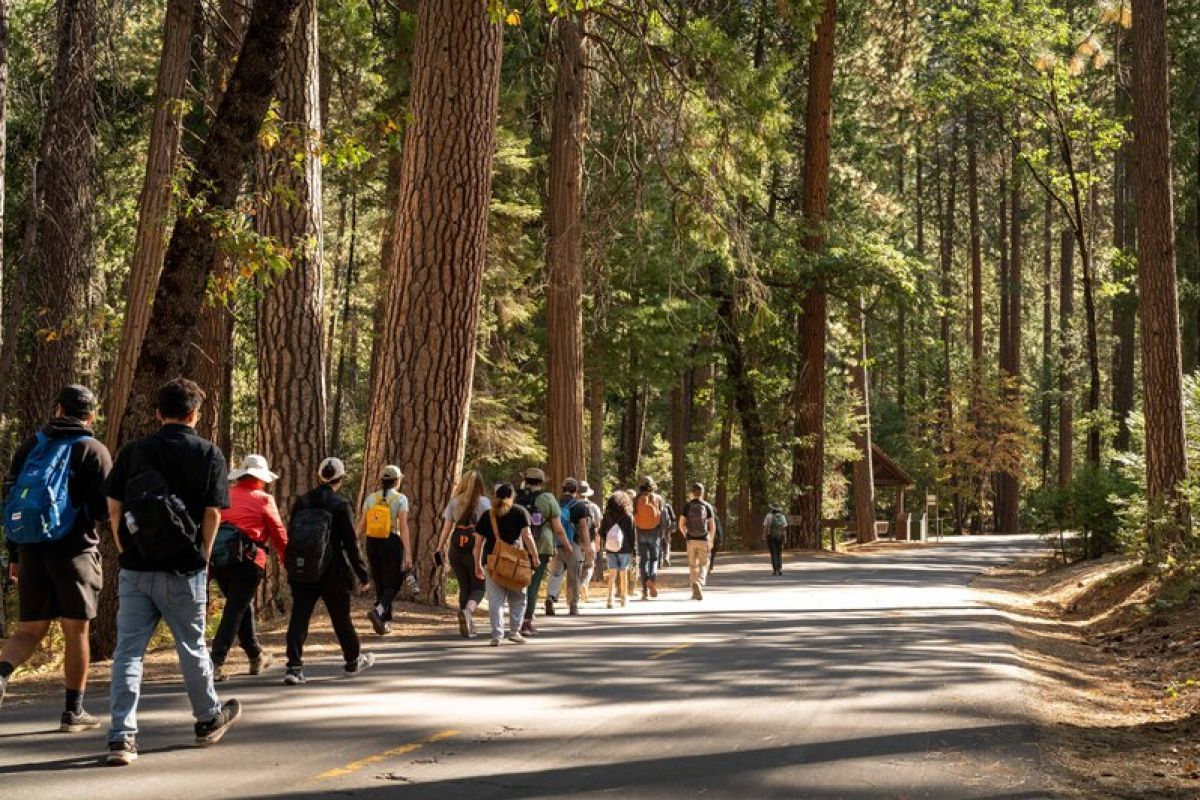

2027 Muir Symposium
When: April 16–17, 2027
Where: DeRosa University Center, University of Pacific
General Registration: $50
Since 1980, Pacific has hosted the Muir Symposium to explore and examine John Muir and the early conservation and environmental movements. The event has focused on topics including Muir's friends and family, his accomplishments and methods as a naturalist and scientist, his perspectives on peoples and parks, and his legacy. Carolyn Finney, Donald Worster, Andrea Wulf and Royal Robbins are among the scholars who have presented during the Muir Symposium.
Over Friday and Saturday April 16-17, the 2027 Muir Symposium will focus on “Searching for Sense of Place.”
Friday, April 16, 2027
Morning and Afternoon
Field Trip to Calaveras Big Trees and Miwuk Museum & Cultural Center
Evening
Guest speaker
Saturday, April 17, 2027
Morning
8:30 a.m. — Check-in at the DeRosa University Center at the University of Pacific
8:45 a.m. — Welcome
9 a.m. — Presentations with breaks
11:45 a.m. — Lunch
Afternoon
1 p.m. — Presentations with breaks
4:30 p.m. — Reception, Tabling and Exhibits at the Library’s Muir Experience
The members of the 2027 Muir Symposium Committee are Mike Wurtz (mwurtz@pacific.edu or 209.946.3105), Jennifer Helgren (jhelgren@pacific.edu) and Laura Gutierrez (lgutierrez2@pacific.edu).
Presentations
From Sense of Place to Moral Obligation: John Muir and the Preservation of Yosemite
Ray Bramson
What gives a place its meaning? Is it the landscape itself, the experiences of those who encounter it, or the accumulated histories and ideas that shape how we understand it? Few American landscapes illustrate these questions more powerfully than Yosemite Valley.

Where Muir Stood: Retracing John Muir’s Indian Journey and Rediscovering Place
Chander Mohan Parsheera
Parsheera's recent book, John Muir Trail India, deeply explores the idea of sense of place through the relatively little-known journey of John Muir across India in 1903.
Searching for Big Trees in Deep Time: Muir’s Worldwide Quest to See Araucarias
Bruce A. Byers
In most people’s minds, John Muir is most closely associated with Yosemite, a place he loved and worked all his life to protect. Fewer people know that Muir was the first to propose that his beloved valleys were carved by glaciers during ancient ice ages.

John Muir's 1898 Tour of Florida
Hadley J. Mozer
Much has been written about John Muir’s trek across post-Civil War Florida in late 1867, a journey recounted in A Thousand-Mile Walk to the Gulf. But this was not Muir’s only trip to Florida. Muir returned to Florida in 1898, in the twilight of the Gilded Age, though few details about the trip have as of yet come to light.
The Unsensibility of Place: Lingít Aaní, Canoes and the Unsettlement of Muir
Mitch Jurasek
John Muir is often celebrated for his profound sense of place, yet the Alaska he made famous was built partly on what he could not make sense of. This talk proposes "reading from the canoe," a method for reading Travels in Alaska alongside Tlingit stories.
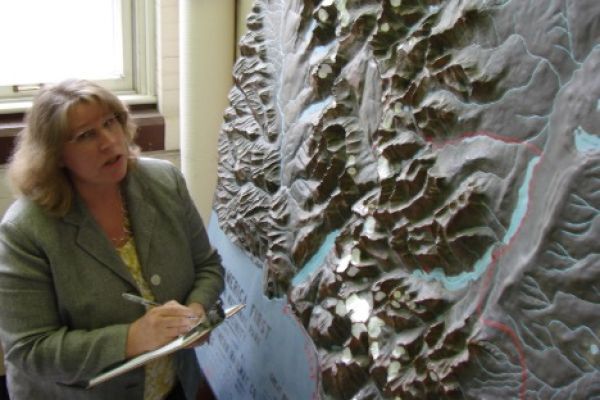
A Third Dimension: Promoting National Parks with Relief Models
Melanie Schleeter
Sometimes a photograph and description of a national park is just not enough! This presentation describes the impact of three-dimensional relief models on National Park promotion and citizen education in the 19th century.
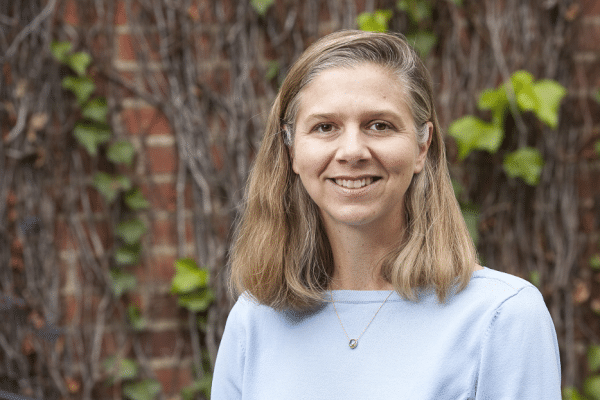
Hetch Hetchy, American Girls, and the Nature of Conservation
Jennifer Helgren
Using girls’ scrapbooks and the publications of girls’ organizations, this paper examines American girls’ encounters with conservation in the early twentieth century.

Investigating Place: A Murder at the Ahwahnee and Teaching the Past with Games
Joshua Salyers
What does it mean to inhabit a historical place rather than read about it? Developed by Pacific faculty and students, A Murder at the Ahwahnee is an educational murder-mystery game set in Yosemite in the winter of 1930.
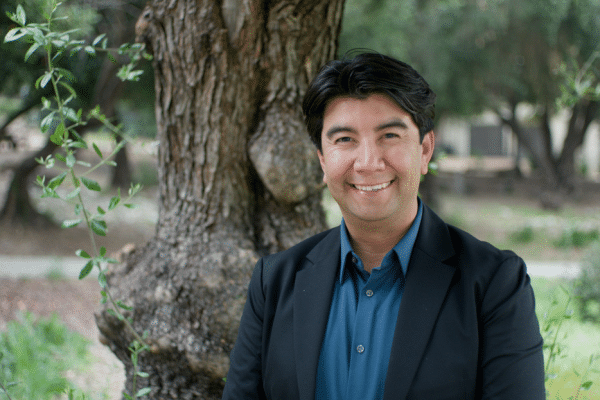
Stewards of the Land: Race and Reclaiming Environmental Labor in the American West
Stevie Ruiz
In Stewards of the Land, Stevie Ruiz reassesses the environmental movement and reveals that it has always been a multiracial endeavor, rather than a series of efforts led by white environmentalists.
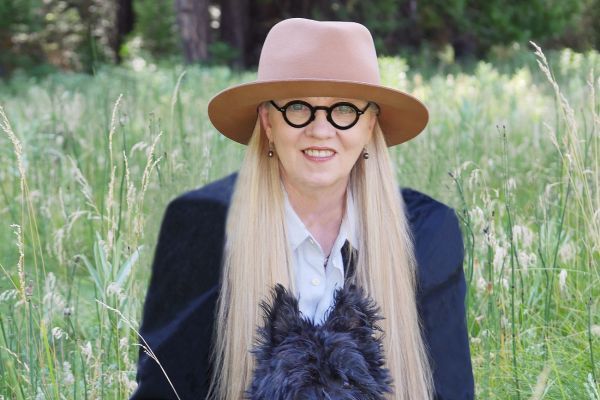
More Ocean Than Mountain. More Mountain Than Sea.
Bonnie J. Gisel
John D. Olmsted, a plant ecologist and land preservationist followed in the footsteps of his distant cousin Frederick L. Olmsted, and considered himself a John Muir generalist.
Sauntering Sense of Place: Past Scottish Walkers as Guides for Present Practice
Jamie Hinrichs
Hinrichs, an independent environmental historian, will discuss how John Muir and Nan Shepherd used walking to spiritually connect with nature. Their ‘sauntering sense of place’ was characterized by intentional inefficiency and supernatural experience, which we can adopt today to counterbalance our culture of efficiency.

The Places That Shape Us: What We Inherit, What We Leave Behind
Robert Hanna
Drawing from America’s public lands, the legacy of John Muir, and the continuing work to protect and restore our shared natural heritage, Robert Hanna will explore “sense of place” as something more than our connection to a landscape. It's also a responsibility - one passed from generation to generation.